Philosophy — Points of View
The Map Is Not the Territory
What can actually be preserved, and what can't
Alfred Korzybski put it in five words that have outlived almost everything else he wrote: the map is not the territory. A drawing of a coastline isn't the coastline. A word for a feeling isn't the feeling. A diagram of neurons firing isn't the experience of understanding something. Whatever you can write down, store, or hand to someone else is always a stand-in — never the thing itself.
Most people who know the phrase stop at the caution. All models are simplifications, so hold every one of them a little loosely. True enough, but stopping there quietly leads somewhere worse: if no map is ever the territory, why trust any particular map more than another? That question has no answer, and it isn't actually where this insight leads.
Here's the turn. Nobody ever gets the territory directly — not once, not ever, no matter how careful they are. Every single person is always working from a model. Which means the question was never "is this map finally, permanently true" — nothing clears that bar, so it was always the wrong question. The real question is "is this a good map," and good has a specific, checkable meaning: kept in continuous contact with a territory that keeps moving, not frozen once and trusted forever. A map that stops checking itself against the territory doesn't stay accurate by default. It starts drifting from the moment nobody's looking, the same way a fact can go stale without anyone noticing the day it happened.
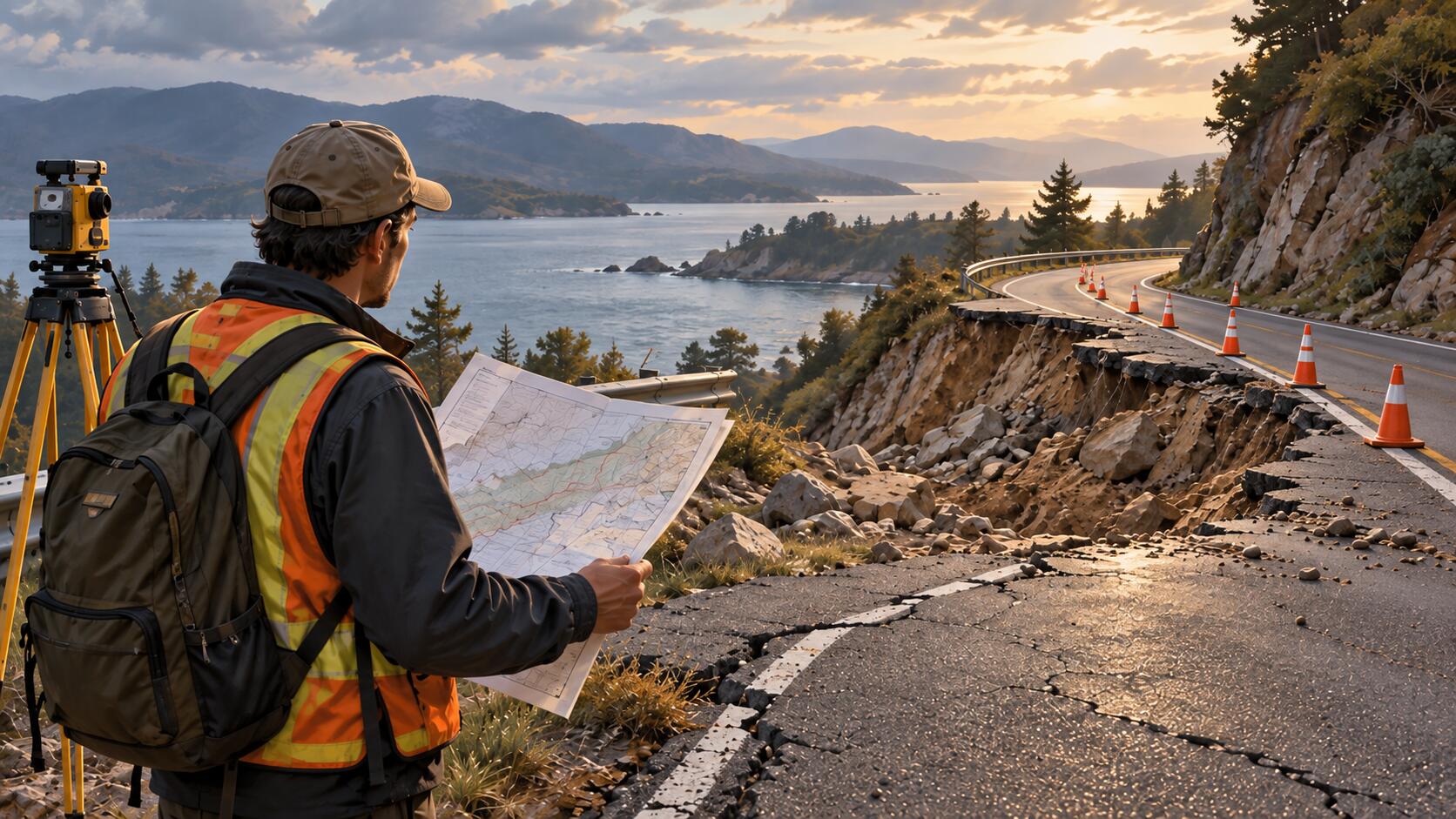
This is the same distinction this project has already made formally, in different language: calibration evidence, which corrects an ongoing estimate that refuses to hold still, against verdict evidence, which settles a fixed claim once and for all. A good map runs entirely on the first kind. Handing someone a map and expecting it to still be right in a year is quietly treating it as the second kind — as a verdict — when it was never built to survive being one.
Which lands on the harder question underneath all of this: what's actually worth passing down to someone else? Not the facts themselves — facts go stale invisibly, the same confidently-wrong failure this site keeps returning to from every angle. What's genuinely transferable is the calibrated model, together with the discipline of continuing to calibrate it. Hand someone a frozen map without the practice of checking it, and you haven't given them understanding. You've given them tomorrow's confident mistake, wrapped as a gift.
There's already a piece in this gallery that made exactly this argument without naming it. Fishing was never about memorizing where the fish were yesterday — a fisherman who trusted last month's map of the river would be fishing a river that no longer exists. What actually gets passed from an experienced fisherman to a beginner isn't a map at all. It's the practiced habit of reading the current as it is right now, every time, because it was never going to hold still long enough to be drawn once and trusted forever.
The map was never the point. The mapping was.
→ Where fishing already made this argument: The River You Step In Twice